Healing in the Quiet Seasons: Art Therapy and Mindfulness for Winter
.jpg/v1/fill/w_320,h_320/file.jpg)
Updated: Feb 4
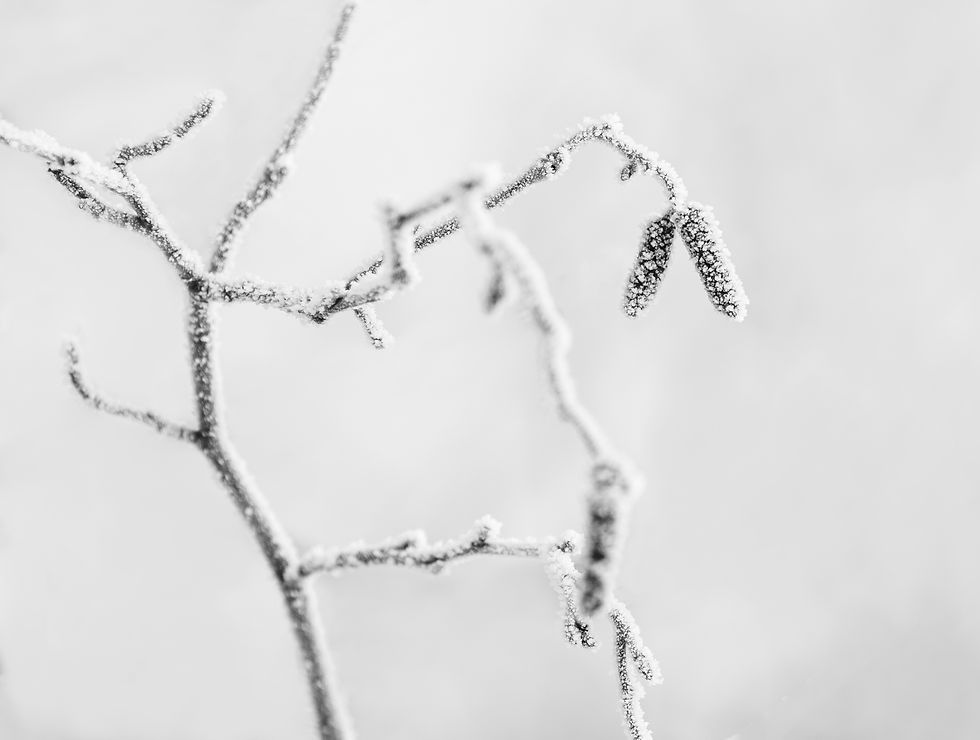
Image ©Krista Powers
The time of wintering is drawing closer. As I begin to prepare for winter, I consider what it means to greet this season aligned with the spirit of rest, and reflection.
The light shifts, sometimes the days feel a little heavier, and it can take more effort to stay connected to ourselves as the holidays near. Nature moves at its own pace, and soon the days will become visited by snow. We can choose to honour this rhythm of snow, with slow. Winter can be an invitation into quietude, dreams, and rest.
In these moments, art can become a soft place to return to — a comforting balm for the soul, a way to slow down and listen inwardly.
As we approach the winter months and the daylight hours grow shorter, many of us are impacted by these seasonal changes. These quieter, darker times can affect mood and energy levels. For some, these changes can deepen into symptoms of depression or Seasonal Affective Disorder (SAD) (Psychology Today, 2025).
If you are experiencing depression or symptoms of SAD, please reach out to your doctor or healthcare provider for medical support. Please note that art therapy does not diagnose, and is not a replacement for medical care.
Creativity as a Gentle Balm
During times of transition, creativity can offer a soft place to land. Mindfulness-based art therapy provides gentle, restorative ways to support emotional balance and self-understanding.
Art therapy offers a space to express feelings that may be difficult to put into words — or too tender to name. It invites pause, play, and experimentation, helping to restore emotional equilibrium and re-energize the spirit. Through art-making, inner experiences can be externalized, stress can be reduced, and a sense of calm or renewal can emerge.
Mindfulness-Based Art Therapy
Mindfulness complements the art therapy process beautifully. When paired with artmaking, it becomes a powerful way to explore our inner world and respond with care rather than judgment. This softening towards ourselves can help us engage more compassionately with the world around us.
Tara Brach (2025), an American clinical psychologist and teacher of mindfulness, blends Western psychology and Eastern spirituality in an approach she calls "radical compassion". "Radical compassion" at first glance sounds similar to the principle of "radical acceptance" supported in Dialectical Behaviour Therapy (DBT). However, radical acceptance in DBT asks us to acknowledge reality and accept it as it is, while radical compassion is the tender response to that acceptance, for yourself and others. Radical compassion and radical acceptance in this way can be seen as interconnected.
"Dialectical behaviour therapy (DBT) is an evidence-based model of therapy that helps people learn and use new skills and strategies so that they build lives they feel are worth living" (CAMH, 2025).
In September and October, I completed two of seven DBT training courses as I work towards DBT certification through Wilfred Laurier University. I continue to integrate my ongoing learning into my art therapy practice where appropriate, through supportive mindfulness techniques and backed by clinical supervision.
Mindfulness-based art therapy can deepen self-awareness and create a soothing anchor during difficult moments. Art provides both distance and connection — allowing you to safely process your experiences while restoring emotional balance.
Healing often begins in small, mindful moments of attention —one breath, one brushstroke at a time.
Upcoming Art Therapy Offering: “Flowing with the River”
Mindfulness-based art therapy is one of the many approaches I share in my practice. If you’re curious to experience this work, I invite you to join my upcoming online “Flowing with the River” Art Therapy Group beginning in March. Enrollment is now open.
References:
Brach, Tara. (2025). RAIN: Recognize, Allow, Investigate, Nurture. https://www.tarabrach.com/rain/
CAMH. (2025). Dialectical behaviour therapy (DBT). https://www.camh.ca/en/health-info/mental-illness-and-addiction-index/dialectical-behaviour-therapy
Psychology Today. (2025). Seasonal affective disorder. https://www.psychologytoday.com/ca/conditions/seasonal-affective-disorder


